Ten Things to Photograph Without Leaving the House
Ten ordinary things you can photograph in the next twenty minutes, from the kitchen counter to the window, with a way to look at each one.
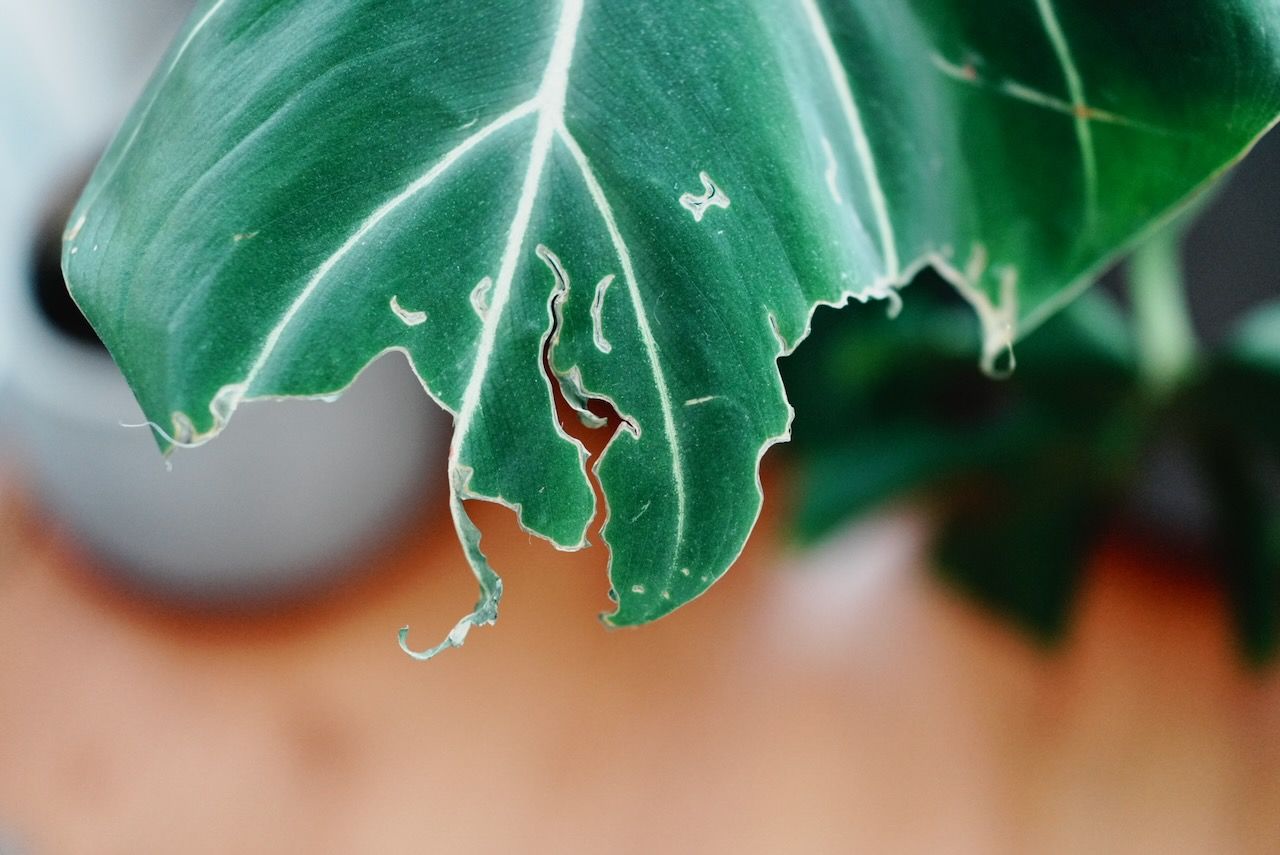
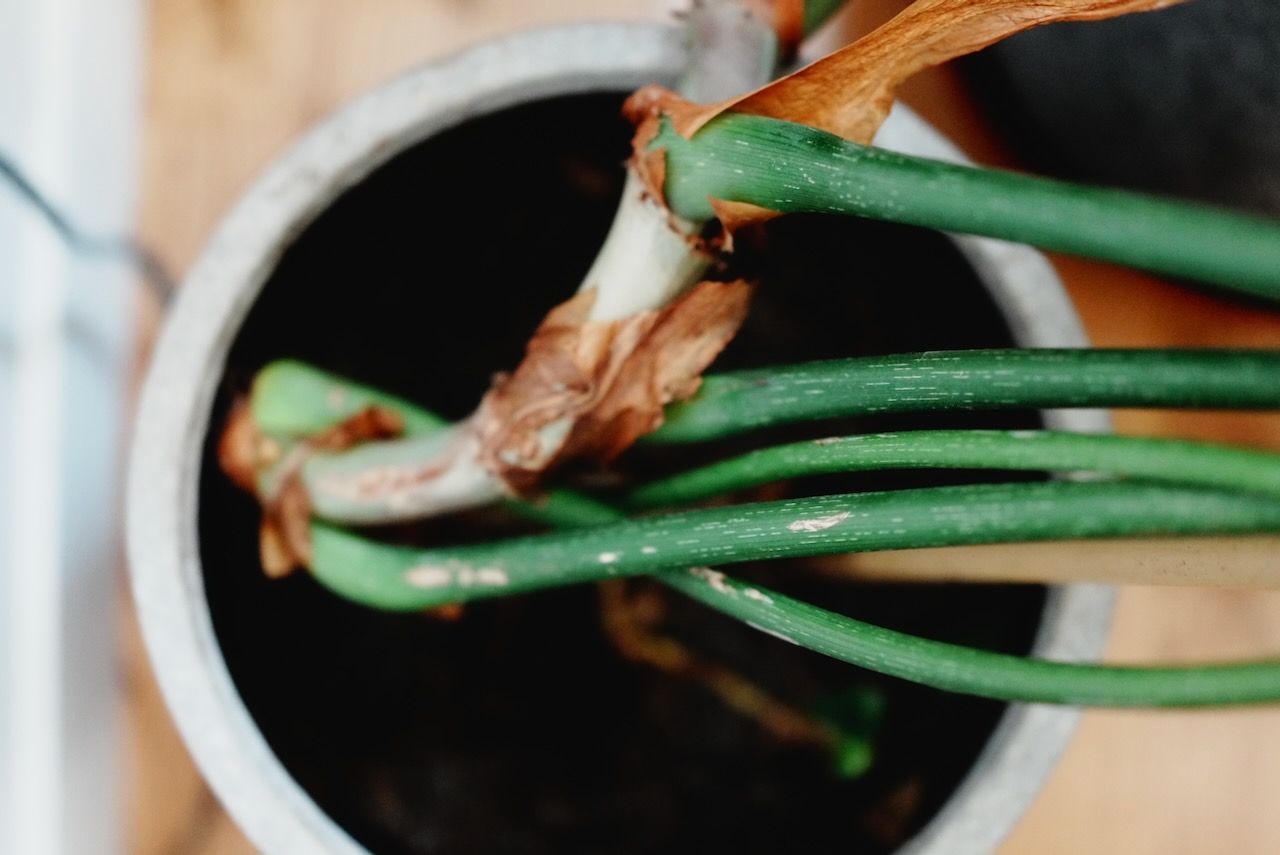
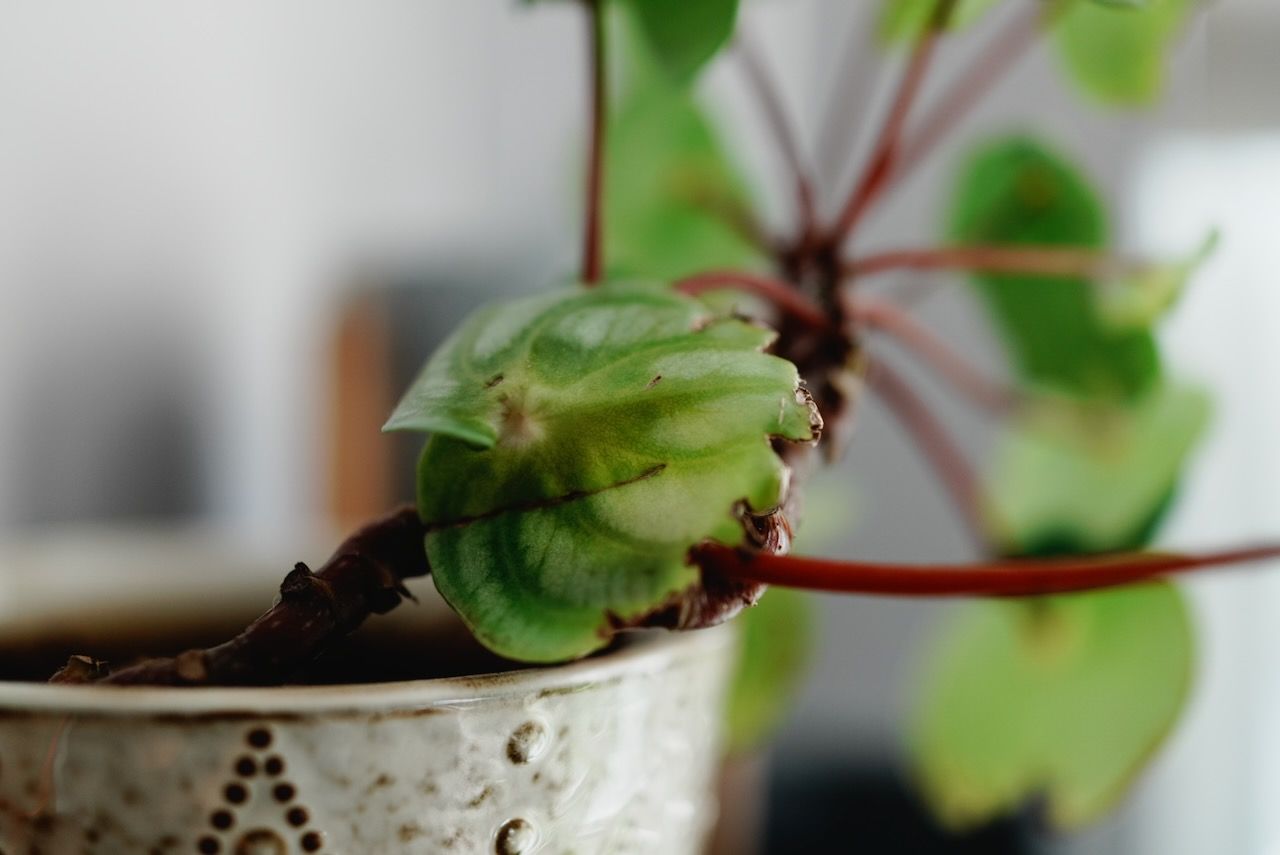
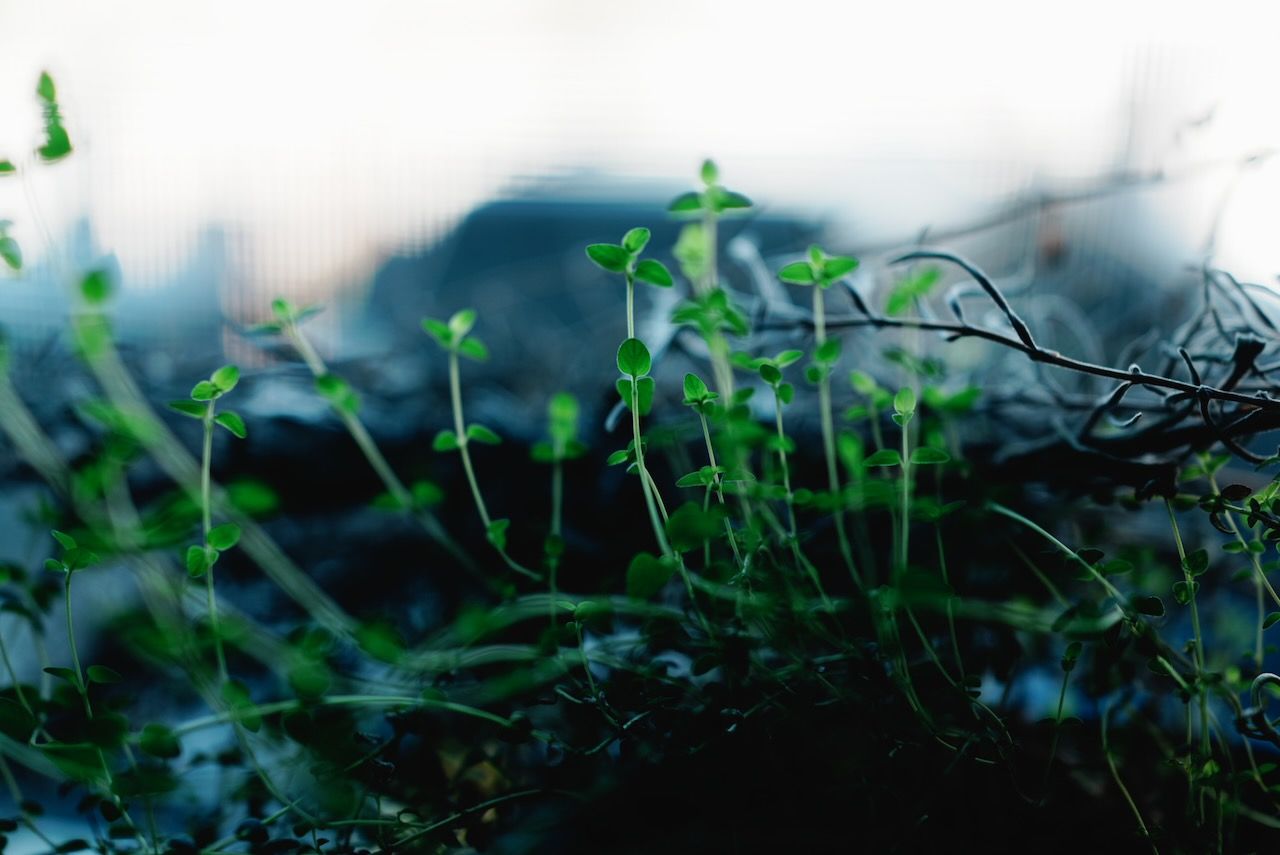

Ten ordinary things you can photograph in the next twenty minutes, from the kitchen counter to the window, with a way to look at each one.
You don't need to go anywhere. You don't need good weather, a model, a trip or a free afternoon. A house, an apartment or even a single room is full of things that are worth a few frames, and the only reason we walk past them is that we've seen them so often.
Here are ten places to start. Each one comes with a way to look at it, because that is usually what's missing. Pick one, give yourself fifteen or twenty minutes, and make a handful of frames. You'll be surprised what shows up.
1. Where the window light lands
Light comes in through a window and lands on something: a wall, the floor, the back of a chair. Find where, and look at its shape. Is the edge sharp or soft? Does it climb the wall over the hour? Come back later and it will have moved to a different place and become a different picture.
2. The kitchen counter
Fruit, a mug, a loaf of bread, a bowl, the olive oil. Move in close and fill the frame with one of them, then look at what you hadn't noticed: the dimple in the skin of a lemon, the chip in a cup, the sheen on the oil. Everyday things are good subjects because you already know them well enough to see when something is interesting.
3. Shadows
Look for the sharpest shadow in the house, then the longest, then the strangest. A chair leg across the floor, a plant on the wall, a handle on the counter. Often the shadow is more interesting than the thing that casts it.
4. Reflections
Kettles, spoons, a glass of water, the window after dark, the back of a phone. Anything shiny or wet shows you a second, bent copy of the room. Ask what is in there that you can't see from where you're standing.
5. Texture
Wood grain on the table, the weave of a towel, the pile of the carpet, a wall that needs repainting, the crust on a loaf. Get close until the object stops being recognisable and turns into pattern. A texture fills the frame in a way very few other things do.
6. A pile of things
The junk drawer, the shoe rack, the pile of keys, the coat hooks by the door, a basket of laundry. A heap of ordinary objects is a small landscape, with its own colours and its own mess. Photograph it as you found it, without tidying.
7. Steam, water and drips
A cup of tea held up against a dark window, with steam rising. Rain running down the glass. A tap just before the water drops. Anything that moves slowly and catches the light gives you a subject that changes while you watch.
8. The most worn-out thing you own
A cutting board with its knife marks. The handle of a door. The steps on the stairs. The corner of a favourite book. A worn thing carries the evidence of all the times it has been used, and that is a surprisingly quiet and honest picture.
9. A single colour
Pick one: red, yellow, green. Walk through the whole house and photograph only things of that colour. You'll find it in places you'd never have looked, and the exercise teaches you how much colour you usually miss.
10. A view through something
A doorway into the next room. A window onto the street. The gap between two curtains. Anything that frames something else gives you a picture inside a picture, and puts the nearby and the faraway in the same frame.
How to use this list
Don't try to do all ten. Don't try to make good pictures, either. The point is to take away the question you can't answer ("what should I shoot?") and replace it with one you can ("where is the light landing?").
If you want a handy rule of thumb: choose one item, set a timer for twenty minutes, take six frames and stop. Then look at what you made. You'll probably find that even in a house you know completely, there was more to see than you'd have guessed.
Each of these also works as a single prompt: Reflections. Texture. Worn. Red. One word is enough to get going. That is the idea behind One Roll, which hands you a short phrase and a little time, and leaves everything else to you. But a list, a timer and a room will do the job on their own.